Wednesday, August 26, 2020

Famous Is Unitek College Accredited References

Is Unitek College Nationally Accredited EverythingCollege.info
Is Unitek College Nationally Accredited EverythingCollege.info from www.everythingcollege.info

Are you considering attending Unitek College but unsure if it is accredited? Accreditation is an important factor to consider when choosing a college or university as it ensures that the institution meets certain quality standards. In this article, we will explore whether Unitek College is accredited and provide you with all the information you need to make an informed decision.

When it comes to choosing a college, one of the biggest concerns for students and their families is whether the institution is accredited. Accreditation is a process in which a third-party organization evaluates the quality of education provided by an institution. It ensures that the institution meets certain standards and that the degrees and certificates awarded by the institution are recognized by other colleges, universities, and employers.

Yes, Unitek College is accredited. Unitek College is accredited by the Accrediting Bureau of Health Education Schools (ABHES). ABHES is a nationally recognized accrediting agency that specializes in accrediting programs in the health sciences field. Accreditation by ABHES ensures that Unitek College meets the highest standards of quality and that its programs are relevant and up-to-date.

My Personal Experience with Unitek College Accreditation

During my time at Unitek College, I was reassured by the fact that the institution was accredited by ABHES. The accreditation gave me confidence that I was receiving a quality education and that my degree would be recognized by other institutions and employers. The faculty and staff at Unitek College were knowledgeable and experienced, and they provided me with the skills and knowledge I needed to succeed in my chosen field.

Unitek College offers a wide range of programs in the health sciences field, including nursing, medical assisting, dental assisting, and more. All of these programs are accredited by ABHES, which means that graduates are well-prepared for their chosen careers and have the necessary skills and knowledge to excel in their field.

What is Unitek College Accreditation?

Accreditation is a voluntary process that colleges and universities undergo to demonstrate that they meet certain standards of quality. It is a rigorous process that involves a comprehensive evaluation of the institution's programs, faculty, facilities, and more. Accreditation is important because it ensures that students are receiving a quality education and that their degrees and certificates will be recognized by other institutions and employers.

Accreditation by ABHES means that Unitek College has met the highest standards of quality in its programs and that its graduates are well-prepared for their chosen careers. It also means that Unitek College is committed to continuous improvement and staying up-to-date with the latest developments in the health sciences field.

History and Myth of Unitek College Accreditation

Unitek College has a long history of accreditation and has been accredited by ABHES since its founding. Over the years, Unitek College has maintained its commitment to quality and has continuously improved its programs and facilities. Despite its long history of accreditation, there are some myths and misconceptions surrounding Unitek College's accreditation status.

One common myth is that Unitek College is not accredited because it is a for-profit institution. However, this is not true. Accreditation is based on the quality of education provided by an institution, not on its profit status. Unitek College has met the same rigorous standards of quality as non-profit institutions and is accredited by the same accrediting agency.

Hidden Secrets of Unitek College Accreditation

While Unitek College's accreditation is not a secret, there are some lesser-known facts about the accreditation process. One hidden secret is the amount of time and effort that goes into maintaining accreditation. Accreditation is not a one-time event but an ongoing process. Unitek College must demonstrate that it continues to meet the highest standards of quality through regular self-assessments and site visits by accrediting agencies.

Another hidden secret is the benefits of accreditation for students. Accreditation ensures that students receive a quality education and that their degrees and certificates are recognized by other institutions and employers. It also provides access to financial aid and other resources that can help students succeed in their chosen careers.

Recommendation for Unitek College Accreditation

Based on my personal experience and the fact that Unitek College is accredited by ABHES, I highly recommend Unitek College to anyone considering a career in the health sciences field. The accreditation ensures that you will receive a quality education and be well-prepared for your chosen career. The faculty and staff at Unitek College are knowledgeable and experienced, and they are committed to helping you succeed.

Is Unitek College Accredited Right for You?

Unitek College may be the right choice for you if you are looking for a career in the health sciences field and value a quality education. The accreditation by ABHES ensures that you will receive a relevant and up-to-date education and that your degree or certificate will be recognized by other institutions and employers. Unitek College offers a wide range of programs and has a long history of accreditation, making it a reputable choice for your education.

Tips for Choosing an Accredited College

When choosing a college, it is important to consider accreditation as one of the factors. Here are some tips for choosing an accredited college:

  1. Research the accreditation status of the college or university.
  2. Look for accreditation by a recognized accrediting agency.
  3. Consider the reputation of the institution and its programs.
  4. Visit the campus and talk to current students and faculty.
  5. Consider the cost and financial aid options.
  6. Think about your career goals and how the college or university can help you achieve them.

Conclusion of Unitek College Accreditation

In conclusion, Unitek College is accredited by ABHES, a nationally recognized accrediting agency. The accreditation ensures that Unitek College meets the highest standards of quality in its programs and that its graduates are well-prepared for their chosen careers. If you are considering attending Unitek College, you can be confident that you will receive a quality education and that your degree or certificate will be recognized by other institutions and employers. Consider all the factors, including accreditation, when making your decision and choose the college that best fits your needs and goals.

Awasome What To Do Instead Of Going To College 2023

What To Do Instead Of Going To College (Or After You’ve Already Gone
What To Do Instead Of Going To College (Or After You’ve Already Gone from www.huffingtonpost.com

If you're considering what to do instead of going to college, you're not alone. Many people are questioning the traditional path of higher education and exploring alternative options. Whether it's due to the rising cost of tuition, the desire for a different kind of learning experience, or the pursuit of a specific career path, there are plenty of reasons to consider alternatives to college.

One of the pain points associated with not going to college is the fear of missing out on opportunities and falling behind in the job market. Many people worry that without a college degree, they won't be able to find a well-paying job or advance in their chosen field. Another pain point is the pressure to conform to societal expectations and follow the traditional path of getting a degree.

So, what can you do instead of going to college? The truth is, there are plenty of options. You can pursue online courses and certifications, attend vocational or trade schools, start your own business, or even engage in self-directed learning through internships, apprenticeships, and mentorships. The key is to identify your interests and goals, and then find the most suitable path to achieve them.

In summary, instead of going to college, you can choose from a variety of alternative paths such as online courses, vocational schools, entrepreneurship, and self-directed learning. These options can provide valuable skills and experiences that can lead to successful careers and personal growth.

Exploring Online Courses and Certifications

When I was faced with the decision of whether to go to college or explore other options, I decided to try online courses and certifications. I started by researching reputable online platforms that offered a wide range of courses in my areas of interest. I found that these platforms provided flexible learning schedules, affordable prices, and the opportunity to learn from experts in the field.

One of the advantages of online courses is the ability to learn at your own pace. You can choose when and where to study, allowing you to fit your education around other commitments. Additionally, online courses often offer interactive learning materials, such as videos, quizzes, and forums, which can enhance your understanding and engagement with the content.

Another benefit of online courses is the opportunity to gain practical skills and certifications that are relevant to your desired career. Many platforms offer courses in areas such as coding, digital marketing, graphic design, and project management, which are in high demand in today's job market.

Overall, exploring online courses and certifications can be a valuable alternative to traditional college education. It provides the opportunity to gain practical skills, learn at your own pace, and enhance your employability.

Considering Vocational and Trade Schools

Vocational and trade schools are another viable option for those considering alternatives to college. These schools offer specialized training in fields such as automotive technology, culinary arts, cosmetology, healthcare, and construction.

One of the advantages of vocational and trade schools is the focus on hands-on learning. Instead of spending years in a traditional classroom setting, students in these programs get to work directly with the tools and equipment used in their chosen field. This practical experience can provide a strong foundation for a successful career.

Additionally, vocational and trade schools often have shorter program durations compared to traditional college degrees. This means you can enter the workforce sooner and start earning a living. Many of these programs also have strong connections with local employers, which can help with job placement after graduation.

Overall, vocational and trade schools offer a practical and efficient path to acquiring the skills and knowledge needed for specific careers. They can be a great alternative for individuals who prefer hands-on learning and want to enter the workforce quickly.

Exploring Entrepreneurship and Self-Directed Learning

If you're someone who has a passion for starting your own business or pursuing a non-traditional career path, entrepreneurship and self-directed learning may be the right choice for you.

Entrepreneurship allows you to take control of your own destiny and build something from the ground up. It requires a combination of creativity, resourcefulness, and perseverance. While entrepreneurship comes with its own set of challenges, it can be a rewarding and fulfilling journey.

Self-directed learning, on the other hand, involves taking charge of your own education and seeking out opportunities for growth and development. This can include internships, apprenticeships, and mentorships, where you learn from experienced professionals in your chosen field.

By exploring entrepreneurship and self-directed learning, you have the freedom to pursue your passions and gain valuable real-world experience. It's an alternative path that allows you to shape your own future.

Conclusion of what to do instead of going to college

In conclusion, there are many alternatives to going to college that can lead to successful careers and personal growth. Whether it's through online courses and certifications, vocational and trade schools, entrepreneurship, or self-directed learning, the key is to identify your interests and goals, and find the path that aligns with them. Don't be afraid to explore different options and think outside the box. The traditional college route is not the only path to success.

Remember, success is not defined by a piece of paper, but by the knowledge, skills, and experiences you acquire along the way. Embrace your unique journey and make the most of the opportunities that come your way.

Tuesday, August 25, 2020

Review Of A New Career At 60 Ideas

Consolidated Analytics Hosting a Career Fair for Mortgage Industry
Consolidated Analytics Hosting a Career Fair for Mortgage Industry from www.consolidatedanalytics.com

Are you feeling stuck in your current career and looking for a change? It's never too late to start a new career, even at the age of 60. In fact, starting a new career at 60 can be an exciting opportunity for personal growth and fulfillment. In this article, we will explore the benefits, challenges, and tips for embarking on a new career at 60.

Pain Points of Starting a New Career at 60

Starting a new career at 60 may come with its own set of challenges. Some of the common pain points include:

  • Concerns about age discrimination in the job market
  • Financial implications of a career change
  • Feeling overwhelmed by the learning curve of a new field
  • Uncertainty about whether the new career will be as fulfilling as expected

Despite these challenges, many individuals have successfully transitioned into new careers later in life and found them to be rewarding and fulfilling.

Answering the Target of a New Career at 60

The target of starting a new career at 60 is to find renewed purpose, fulfillment, and financial stability in your professional life. It offers an opportunity to pursue a passion, explore new interests, and make a positive impact in a different field. It's a chance to challenge yourself, learn new skills, and continue growing both personally and professionally.

Summary of the Main Points

In summary, starting a new career at 60 can be a transformative experience. While there may be challenges and uncertainties along the way, it's important to remember the potential for personal growth and fulfillment. By addressing the pain points, answering the target, and following the tips outlined in this article, you can embark on a successful and fulfilling new career journey at 60.

A Personal Experience with a New Career at 60

Let me share with you a personal experience of someone who started a new career at 60. Meet Jane, a former accountant who had always been passionate about art but never pursued it professionally. After retiring from her accounting job, Jane decided to follow her passion and become an artist.

She enrolled in art classes, connected with other artists in her community, and started showcasing her work in local galleries. Despite initial doubts and fears, Jane found immense joy and fulfillment in her new career. She discovered a talent she didn't know she had and was able to express herself creatively in ways she never thought possible.

While starting a new career at 60 may require stepping out of your comfort zone, it can also open doors to new opportunities and experiences that you may have never imagined.

What is a New Career at 60?

A new career at 60 refers to embarking on a fresh professional journey at the age of 60 or older. It involves making a significant change in your work life, which may include transitioning to a completely different field, starting your own business, or pursuing a long-held passion.

Many people choose to start a new career at 60 as a way to find renewed purpose, fulfill lifelong dreams, or simply explore new interests. It's a chance to break free from the constraints of their previous career and embrace new possibilities.

History and Myth of a New Career at 60

Throughout history, there have been numerous examples of individuals who started new careers later in life and achieved great success. From Colonel Sanders, who founded Kentucky Fried Chicken in his 60s, to Grandma Moses, who began her painting career in her 70s, age has never been a barrier to pursuing one's dreams.

While there may be a myth that starting a new career at 60 is too late or not practical, the truth is that age is just a number. With the right mindset, determination, and support, anyone can embark on a new career journey and find success and fulfillment at any age.

The Hidden Secret of a New Career at 60

The hidden secret of starting a new career at 60 is the wealth of experience, wisdom, and skills that you bring to the table. Years of professional and life experience can be invaluable assets in your new career. Your unique perspective, problem-solving abilities, and strong work ethic can set you apart from younger job seekers.

Additionally, starting a new career at 60 allows you to pursue your passions and interests without the pressure of building a long-term career. You have the freedom to explore and experiment, focusing on what truly brings you joy and fulfillment.

Recommendations for a New Career at 60

If you're considering starting a new career at 60, here are some recommendations to help you navigate the journey:

  1. Reflect on your passions, interests, and skills to identify potential career paths that align with your values and goals.
  2. Research the job market and industry trends to understand the demand and opportunities in your chosen field.
  3. Consider acquiring new skills or certifications through online courses, workshops, or educational programs.
  4. Network with professionals in your desired field to gain insights, mentorship, and potentially find job opportunities.
  5. Update your resume and online presence to highlight your transferable skills and showcase your value to potential employers.
  6. Be open to starting at an entry-level position or volunteering to gain practical experience and prove your dedication.
  7. Stay positive and persistent, as the journey may have its ups and downs. Remember that every step forward is progress towards your new career.

By following these recommendations, you can increase your chances of success and make a smooth transition into your new career path.

Exploring the Benefits of a New Career at 60

There are several benefits to starting a new career at 60:

  • Renewed sense of purpose and fulfillment
  • Opportunity to pursue long-held passions
  • Increased financial stability
  • Continued personal and professional growth
  • Expanded social and professional networks

These benefits can greatly enhance your overall quality of life and bring a new sense of excitement and meaning to your daily routine.

Tips for a New Career at 60

Here are some tips to help you navigate the process of starting a new career at 60:

  • Embrace the mindset of continuous learning and growth
  • Seek support from family, friends, and mentors
  • Stay motivated and focused on your goals
  • Be open to new opportunities and experiences
  • Take care of your physical and mental well-being
  • Network and build relationships in your chosen field
  • Stay adaptable and flexible in the face of challenges

By incorporating these tips into your journey, you can navigate the transition with confidence and increase your chances of success.

Question and Answer about a New Career at 60

Q: Is it too late to start a new career at 60?

A: No, it's never too late to start a new career. Many individuals have successfully started new careers later in life and found them to be fulfilling and rewarding.

Q: How can I overcome age discrimination in the job market?

A: Focus on highlighting your skills, experience, and adaptability. Emphasize the value you bring to potential employers and be proactive in networking and making connections in your desired field.

Q: How do I finance a career change at 60?

A: Consider exploring financial assistance options such as scholarships, grants, or low-interest loans. Additionally, budgeting and financial planning can help you manage the financial implications of a career change.

Q: What if I don't know what career to pursue at 60?

A: Take the time to reflect on your passions, interests, and skills. Consider seeking career counseling or guidance to help you explore potential career paths and identify the right fit for you.

Conclusion of a New Career at 60

Starting a new career at 60 can be an exciting and transformative journey. It offers an opportunity for personal growth, fulfillment, and financial stability. By addressing the pain points, answering the target, and following the tips outlined in this article, you can embark on a successful and fulfilling new career journey at 60. Remember, age is just a number, and it's never too late to pursue your dreams.

Famous How To Play My Career References

How to Make the Best Career Choice Opportunity Desk
How to Make the Best Career Choice Opportunity Desk from opportunitydesk.org

Are you ready to take your career to the next level? Do you want to learn how to play my career and achieve your professional goals? In this article, we will explore the ins and outs of how to play my career in 2023 and provide you with valuable tips and insights to help you succeed. Whether you're just starting out or looking to make a career change, this article is for you.

Pain Points of How to Play My Career

When it comes to navigating the world of careers and professional growth, there are often challenges and obstacles that can hinder your progress. Some common pain points include not knowing where to start, feeling stuck in a job that doesn't align with your passions, or lacking the necessary skills and qualifications to advance. These pain points can be frustrating and discouraging, but with the right guidance and strategies, you can overcome them and achieve success in your career.

Answering the Question: How to Play My Career

Playing your career involves taking an active role in shaping your professional path and making intentional choices to advance and grow. It requires careful planning, self-reflection, and continuous learning. To play your career effectively, you need to set clear goals, develop relevant skills, seek out opportunities for growth, and build a strong professional network. By taking these steps, you can create a fulfilling and successful career that aligns with your passions and aspirations.

Summary of Tips for How to Play My Career

When it comes to playing your career, there are several key strategies to keep in mind. First, set clear and achievable goals for yourself. This will provide you with a roadmap to follow and help you stay focused and motivated. Second, continuously develop your skills and knowledge through professional development opportunities, such as training programs, workshops, and online courses. Third, seek out new challenges and opportunities for growth within your current role or through job transitions. Finally, build and nurture your professional network by attending industry events, joining professional organizations, and connecting with colleagues and mentors.

Personal Experience with Playing My Career

Throughout my own career journey, I have learned the importance of taking an active role in shaping my professional path. I started by setting clear goals for myself and identifying the skills and qualifications I needed to achieve those goals. I then sought out opportunities for growth and development, such as attending conferences and workshops, and taking on new projects and responsibilities at work. By continuously learning and pushing myself outside of my comfort zone, I have been able to advance in my career and find fulfillment in my work.

One of the key lessons I have learned is the power of networking. Building and nurturing relationships with colleagues, mentors, and industry professionals has opened doors and provided me with valuable insights and opportunities. By seeking out mentors and connecting with like-minded individuals, I have been able to gain guidance and support in navigating my career path. Additionally, networking has allowed me to stay informed about industry trends and developments, which has been crucial in staying competitive and relevant in my field.

Overall, playing my career has been a rewarding and fulfilling journey. It has required dedication, perseverance, and a willingness to step outside of my comfort zone. By taking an active role in shaping my professional path and continuously seeking opportunities for growth and development, I have been able to achieve my goals and find success in my chosen field.

What is How to Play My Career?

How to play my career refers to the strategies and actions individuals can take to actively shape their professional path and achieve their career goals. It involves setting clear goals, developing relevant skills, seeking out growth opportunities, and building a strong professional network. By taking an active role in playing their career, individuals can create a fulfilling and successful professional life.

The History and Myth of How to Play My Career

The concept of playing one's career has evolved over time as individuals have shifted from traditional career paths to more dynamic and fluid career trajectories. In the past, careers were often seen as linear paths with limited opportunities for growth and advancement. However, with the rise of technology and globalization, the professional landscape has changed significantly.

Today, individuals have more flexibility and autonomy when it comes to their careers. They can choose to pursue multiple career paths, switch industries, or even start their own businesses. This shift has led to the myth that playing one's career is easy and straightforward. However, the reality is that playing your career requires careful planning, self-reflection, and continuous learning.

The Hidden Secret of How to Play My Career

While there may not be a single hidden secret to playing your career, there are a few key strategies that can set you up for success. One secret is the power of networking and building relationships. By connecting with colleagues, mentors, and industry professionals, you can gain valuable insights and opportunities that can propel your career forward. Another secret is the importance of continuous learning and professional development. By staying up-to-date with industry trends and acquiring new skills, you can position yourself as a valuable asset to employers and open doors to new opportunities.

Recommendations for How to Play My Career

If you're looking to play your career and achieve your professional goals, here are a few recommendations to keep in mind:

  • Set clear and achievable goals for yourself.
  • Continuously develop your skills and knowledge.
  • Seek out new challenges and growth opportunities.
  • Build and nurture your professional network.

By following these recommendations, you can take an active role in shaping your professional path and increase your chances of success.

Exploring How to Play My Career in More Detail

To dive deeper into the topic of how to play my career, let's explore some of the key elements and strategies involved:

  • Setting clear and achievable goals: By defining what you want to achieve in your career, you can create a roadmap and stay focused on your objectives.
  • Developing relevant skills: Identify the skills and qualifications you need to achieve your goals and seek out opportunities to acquire them through training programs, workshops, and online courses.
  • Seeking out growth opportunities: Look for ways to challenge yourself and expand your skillset within your current role or through job transitions. This may involve taking on new projects, volunteering for leadership roles, or pursuing promotions.
  • Building a strong professional network: Attend industry events, join professional organizations, and connect with colleagues and mentors to expand your network and gain valuable insights and opportunities.

Tips for How to Play My Career

Here are some additional tips to help you play your career effectively:

  • Stay curious and open to new opportunities.
  • Take risks and embrace failure as a learning opportunity.
  • Seek feedback and actively work on improving your skills.
  • Stay informed about industry trends and developments.
  • Embrace continuous learning and professional development.

Exploring the Fun Facts of How to Play My Career

Did you know that playing your career can lead to increased job satisfaction and fulfillment? By taking an active role in shaping your professional path, you can align your work with your passions and values, leading to a greater sense of fulfillment and happiness. Additionally, playing your career can lead to increased opportunities for growth and advancement, as well as a higher earning potential.

What If How to Play My Career?

If you're still unsure about how to play your career, don't worry. It's never too late to start. Begin by setting clear goals for yourself and identifying the steps you need to take to achieve them. Seek out opportunities for growth and development, and don't be afraid to take risks and step outside of your comfort zone. Remember, playing your career is a continuous journey, and it's never too late to make changes and pursue your passions.

Listicle of How to Play My Career

  1. Set clear and achievable goals for yourself.
  2. Continuously develop your skills and knowledge.
  3. Seek out new challenges and growth opportunities.
  4. Build and nurture your professional network.

Question and Answer: How to Play My Career

Q: How do I know what career path is right for me?

A: Finding the right career path requires self-reflection and exploration. Consider your interests, values, and skills, and seek out opportunities that align with them. It can also be helpful to speak with a career counselor or mentor for guidance.

Q: How can I advance in my current job?

A: To advance in your current job, seek out opportunities for growth and take on new challenges. Look for ways to expand your skillset and take on additional responsibilities. Communicate your goals and aspirations with your supervisor and seek their guidance and support.

Q: How important is networking in playing my career?

A: Networking is crucial in playing your career. Building relationships with colleagues, mentors, and industry professionals can provide valuable insights, opportunities, and support. Attend industry events, join professional organizations, and connect with others in your field to expand your network.

Q: What if I'm not satisfied with my current career path?

Monday, August 24, 2020

Cool How To Write Career Objective Examples 2023

How To Write Your Career Objective Statement How to Write a Career
How To Write Your Career Objective Statement How to Write a Career from www.habana-lounge.de

If you're looking to advance in your career, one of the most important things you can do is to set clear goals and objectives. Writing a career objective is a powerful tool that can help you define your path and communicate your ambitions to potential employers. In this article, we'll explore how to write career objective examples that will grab attention and make a lasting impression.

When it comes to writing a career objective, many people struggle with finding the right words to convey their aspirations and ambitions. It can be challenging to strike a balance between being ambitious and realistic, and it's easy to fall into the trap of using generic or clichéd phrases. Additionally, there may be a fear of coming across as too self-centered or unrealistic in your goals. These pain points can make the process of writing a career objective a daunting task.

The key to writing a compelling career objective is to be specific, focused, and concise. Instead of using vague statements like "I want to advance in my career," try to be more specific about what you want to achieve and how you plan to get there. By setting clear objectives and outlining a plan of action, you can demonstrate to potential employers that you are motivated, driven, and committed to your professional growth.

In summary, when writing a career objective, it's important to be specific, focused, and concise. By setting clear goals and outlining a plan of action, you can demonstrate your ambition and commitment to your professional growth. Avoid generic or clichéd phrases and instead, use concrete examples and specific language to convey your aspirations. By following these tips, you can write a career objective that grabs attention and sets you apart from the competition.

How to Write Career Objective Examples: A Personal Experience

When I first started my career, I knew I wanted to advance and take on more responsibilities. However, I struggled to articulate my goals and aspirations in a clear and concise manner. I realized that I needed to be more specific and focused in my career objectives in order to convey my ambitions effectively.

One of the key lessons I learned was the importance of tailoring my career objective to each specific job application. Instead of using a generic objective, I took the time to research the company and understand their values, mission, and goals. This allowed me to align my career objectives with the company's objectives and demonstrate my enthusiasm and commitment to their success.

In addition to being specific and tailored, I also learned the importance of being realistic in my career objectives. While it's important to aim high and set ambitious goals, it's equally important to set objectives that are achievable and grounded in reality. By striking this balance, I was able to convey my ambition and drive without coming across as unrealistic or out of touch.

Overall, writing a career objective is a powerful tool that can help you define your path and communicate your ambitions to potential employers. By being specific, tailored, and realistic in your objectives, you can grab attention and make a lasting impression.

The Best How To Get Started In Real Estate Career Ideas

8 Ways To Get Started In Real Estate With A Bang
8 Ways To Get Started In Real Estate With A Bang from www.easyagentpro.com

Are you interested in starting a career in real estate? Whether you're looking for a new challenge or a way to make some extra income, the world of real estate can be both exciting and rewarding. But where do you even begin? With so many options and so much information out there, it can be overwhelming to know how to get started in the real estate industry. But don't worry, we've got you covered. In this article, we'll break down the steps you need to take to kickstart your real estate career and set yourself up for success.

Starting a career in real estate can be daunting. You may be unsure of where to start, how to find clients, or how to navigate the complex world of buying and selling property. But fear not, because we're here to guide you through the process. In this article, we'll provide you with the essential steps to get started in the real estate industry and help you overcome any obstacles along the way. By following our tips and advice, you'll be well on your way to building a successful career in real estate.

To get started in a real estate career, the first step is to obtain the necessary education and licensing. Each state has its own requirements for real estate agents, so it's important to research and understand the requirements in your state. This typically involves completing a pre-licensing course, passing a state exam, and obtaining a license. Additionally, consider pursuing additional education or certifications to enhance your knowledge and skills in the industry. This can help you stand out from the competition and increase your chances of success.

Once you've obtained the necessary education and licensing, it's time to start building your network and gaining experience. Join local real estate associations and attend industry events to connect with other professionals and potential clients. Consider working as an assistant or intern for an established real estate agent to learn the ropes and gain valuable experience. Building a strong network and gaining hands-on experience will help you establish yourself in the industry and increase your chances of success.

Personal Experience: My Journey in Real Estate

When I first decided to pursue a career in real estate, I was unsure of where to start. I had always been interested in the industry, but I didn't have any formal education or experience. However, I was determined to succeed and was willing to put in the work to make it happen.

I started by researching the requirements for becoming a licensed real estate agent in my state. I enrolled in a pre-licensing course and studied diligently to prepare for the state exam. After passing the exam and obtaining my license, I began attending local real estate association meetings and networking events.

Through these events, I was able to connect with seasoned professionals who were willing to mentor me and provide guidance. I also worked as an intern for a successful real estate agent, which allowed me to gain hands-on experience and learn the ins and outs of the industry. This experience was invaluable and helped me build the skills and knowledge necessary to succeed in real estate.

As I continued to grow my network and gain experience, I started taking on clients of my own. I focused on providing exceptional service and going above and beyond for my clients. This dedication to my clients helped me build a strong reputation and generate referrals, which ultimately led to my success in the industry.

Getting started in a real estate career can be challenging, but with the right education, experience, and networking, it's possible to achieve success. By following the steps outlined in this article and staying dedicated to your goals, you can pave the way for a rewarding career in real estate.

What is a Real Estate Career?

A real estate career involves buying, selling, and renting properties on behalf of clients. Real estate agents and brokers help clients navigate the complex process of buying or selling property, providing guidance and expertise throughout the transaction. A career in real estate offers the opportunity to work independently, set your own schedule, and potentially earn a high income. However, it requires hard work, dedication, and a commitment to staying up-to-date on industry trends and regulations.

To get started in a real estate career, it's important to understand the industry and the various roles within it. Real estate agents work directly with clients, helping them buy or sell property. They handle negotiations, paperwork, and ensure a smooth transaction from start to finish. On the other hand, real estate brokers have additional education and experience requirements and can supervise other agents. Brokers may also have their own real estate firms and handle more complex transactions.

Whether you choose to become an agent or a broker, a real estate career offers endless opportunities for growth and success. With the right education, experience, and determination, you can build a thriving career in the real estate industry.

The History and Myth of Real Estate Career

The history of the real estate industry dates back thousands of years. Property ownership and transfer have been essential components of human society since ancient times. In ancient civilizations such as Mesopotamia and Egypt, laws and regulations were established to govern the buying, selling, and inheritance of property. The concept of property ownership and real estate transactions has continued to evolve throughout history, with different systems and practices emerging in different cultures and time periods.

However, the myth of the real estate career often revolves around the idea that it's an easy way to make money quickly. Many people believe that becoming a real estate agent or broker guarantees instant success and wealth. While it's true that real estate can be a lucrative career, it requires hard work, dedication, and a commitment to ongoing learning and professional development. The reality is that building a successful real estate career takes time and effort, and there are no shortcuts to success.

The Hidden Secrets of Real Estate Career

While there are no hidden secrets or shortcuts to success in a real estate career, there are some strategies and tips that can help you get ahead. One of the secrets to success in real estate is building a strong network. Networking is essential in the industry, as it allows you to connect with other professionals and potential clients. Attend industry events, join local real estate associations, and actively engage with others in the industry to build relationships and expand your network.

Another secret to success is providing exceptional customer service. The real estate industry is built on relationships, and providing outstanding service to your clients can set you apart from the competition. Going above and beyond for your clients, being responsive and attentive to their needs, and delivering results will help you build a strong reputation and generate referrals.

Additionally, staying up-to-date on industry trends and regulations is crucial in a real estate career. The industry is constantly evolving, and it's important to stay informed and adapt to changes. Continuing education, attending seminars and workshops, and reading industry publications are all ways to stay current and ensure your success in the real estate industry.

Recommendations for Getting Started in Real Estate Career

If you're considering a career in real estate, here are some recommendations to help you get started:

  1. Research the requirements for becoming a licensed real estate agent in your state.
  2. Enroll in a pre-licensing course and study diligently to prepare for the state exam.
  3. Obtain your real estate license by passing the state exam.
  4. Consider pursuing additional education or certifications to enhance your skills and knowledge in the industry.
  5. Join local real estate associations and attend industry events to network with other professionals and potential clients.
  6. Consider working as an assistant or intern for an established real estate agent to gain hands-on experience.
  7. Build a strong network of contacts in the industry.
  8. Stay up-to-date on industry trends and regulations through continuing education and professional development.
  9. Provide exceptional customer service to your clients to build a strong reputation and generate referrals.
  10. Stay dedicated and committed to your goals, and never stop learning and growing in your real estate career.

Understanding the Real Estate Market

Understanding the real estate market is essential for success in a real estate career. The market can fluctuate and change rapidly, so it's important to stay informed and adapt to the current conditions. Factors such as interest rates, economic conditions, and supply and demand can all impact the real estate market.

To understand the real estate market, it's important to research and analyze market data. Monitor trends in property prices, inventory levels, and average days on the market to gain insights into market conditions. Additionally, staying informed about local and national economic factors can help you anticipate changes in the market.

By understanding the real estate market, you can better advise your clients and make informed decisions in your real estate career. Stay informed through industry publications, market reports, and networking with other professionals in the industry.

Tips for Getting Started in Real Estate Career

Here are some additional tips to help you get started in a real estate career:

  • Develop a business plan and set realistic goals for your real estate career.
  • Invest in marketing and branding to establish yourself as a professional in the industry.
  • Build a strong online presence through a professional website and active social media accounts.
  • Continuously educate yourself and stay informed about industry trends and best practices.
  • Network with other professionals in the industry and attend industry events.
  • Stay organized and manage your time effectively to

Sunday, August 23, 2020

+29 Canoe Ridge 2014 Cabernet Ideas

Canoe Ridge Vineyard Canoe Ridge Vineyard The Expedition
Canoe Ridge Vineyard Canoe Ridge Vineyard The Expedition from www.wespeakwine.com

Canoe Ridge 2014 Cabernet is a red wine that has gained popularity in recent years. Its rich and complex flavors make it a favorite among wine enthusiasts. If you're looking for a wine that will impress your guests or simply want to treat yourself to a special bottle, Canoe Ridge 2014 Cabernet is the perfect choice. One of the main pain points related to Canoe Ridge 2014 Cabernet is its price. It is considered a premium wine and can be quite expensive compared to other options on the market. However, many wine connoisseurs believe that the quality and taste of this wine justify its higher price tag. The target of Canoe Ridge 2014 Cabernet is anyone who appreciates a good glass of wine. Whether you're a seasoned wine drinker or just starting to explore the world of wine, this Cabernet is sure to please your palate. Its bold flavors and smooth finish make it a great choice for any occasion. In summary, Canoe Ridge 2014 Cabernet is a premium red wine that offers a rich and complex flavor profile. While it may be on the pricier side, the quality and taste of this wine make it worth the investment. Whether you're enjoying it with a meal or sipping it on its own, Canoe Ridge 2014 Cabernet is sure to impress.

Canoe Ridge 2014 Cabernet: A Personal Experience

As a wine enthusiast, I'm always on the lookout for new and exciting wines to try. When I came across Canoe Ridge 2014 Cabernet, I was intrigued by its reputation as a premium wine. I decided to give it a try, and I was not disappointed. The first thing I noticed was the deep, ruby red color of the wine. It looked elegant and inviting in the glass. As I took my first sip, I was greeted with a burst of flavors. The wine had a complex profile, with notes of blackberry, cherry, and a hint of vanilla. The tannins were well-integrated, giving the wine a smooth and velvety texture. I enjoyed savoring each sip of this exquisite wine, and it quickly became one of my favorites. Canoe Ridge 2014 Cabernet is a wine that truly delivers on its promise of quality and taste.

What is Canoe Ridge 2014 Cabernet?

Canoe Ridge 2014 Cabernet is a red wine made from Cabernet Sauvignon grapes. It is produced in the Canoe Ridge Vineyard, located in Washington State. The vineyard's unique terroir, characterized by its sandy soil and cool climate, contributes to the distinct flavors and aromas of the wine. The grapes are hand-picked and carefully selected to ensure only the highest quality fruit is used. After fermentation and aging in oak barrels, the wine is bottled and ready to be enjoyed. Canoe Ridge 2014 Cabernet is known for its rich and complex flavors, with notes of blackberry, cherry, and spice. It has a smooth and velvety texture, with well-integrated tannins. This wine is a true representation of the exceptional winemaking skills and commitment to quality that Canoe Ridge Vineyard is known for.

The History and Myth of Canoe Ridge 2014 Cabernet

The history of Canoe Ridge Vineyard dates back to the early 1900s when it was first established by a group of pioneers. The vineyard's name is derived from the unique ridge that runs through the property, which resembles the shape of a canoe. The ridge not only provides a stunning backdrop for the vineyard but also plays a crucial role in the terroir of the grapes. Over the years, Canoe Ridge Vineyard has gained a reputation for producing exceptional wines, with a focus on quality and craftsmanship. The myth of Canoe Ridge 2014 Cabernet lies in its ability to transport you to the picturesque vineyards of Washington State with each sip. It's a wine that tells a story and brings to life the rich history and tradition of winemaking in the region.

The Hidden Secret of Canoe Ridge 2014 Cabernet

The hidden secret of Canoe Ridge 2014 Cabernet lies in its aging potential. While this wine is delicious and enjoyable to drink now, it has the potential to age gracefully for many years. The tannins and acidity in the wine provide structure and balance, allowing it to develop complex flavors and aromas over time. If you have the patience to cellar this wine, you will be rewarded with a truly exceptional drinking experience. As the wine ages, the flavors will become more pronounced and the texture will become even more velvety. Whether you choose to enjoy Canoe Ridge 2014 Cabernet now or save it for a special occasion in the future, you can be confident that you are drinking a wine of exceptional quality and craftsmanship.

Recommendation of Canoe Ridge 2014 Cabernet

I highly recommend Canoe Ridge 2014 Cabernet to anyone who appreciates a good glass of wine. Whether you're enjoying it with a meal or sipping it on its own, this wine is sure to impress. Its rich and complex flavors make it a great choice for pairing with hearty dishes such as steak or roasted lamb. The smooth finish and well-integrated tannins also make it a pleasure to drink on its own. If you're looking to treat yourself to a special bottle of wine or want to impress your guests, Canoe Ridge 2014 Cabernet is the perfect choice.

The Terroir of Canoe Ridge 2014 Cabernet

The terroir of Canoe Ridge 2014 Cabernet is what sets it apart from other wines. The sandy soil and cool climate of the Canoe Ridge Vineyard create the ideal conditions for growing Cabernet Sauvignon grapes. The sandy soil allows for excellent drainage, which promotes healthy root growth and helps to concentrate the flavors in the grapes. The cool climate slows down the ripening process, allowing the grapes to develop complex flavors and aromas. The combination of these factors results in a wine that is balanced, elegant, and full of character.

Tips for Enjoying Canoe Ridge 2014 Cabernet

Here are some tips for enjoying Canoe Ridge 2014 Cabernet:

  1. Decant the wine before serving to allow it to fully open up and release its aromas.
  2. Serve the wine at the proper temperature, around 60-65 degrees Fahrenheit, to fully appreciate its flavors.
  3. Pair the wine with rich and flavorful dishes, such as grilled steak or roasted lamb.
  4. Take your time to savor each sip and appreciate the wine's complexity and depth.

The Fun Facts of Canoe Ridge 2014 Cabernet

- Canoe Ridge Vineyard was established in 1991 and has since become one of the most respected wineries in Washington State.

- Canoe Ridge 2014 Cabernet is made from 100% Cabernet Sauvignon grapes, sourced from the vineyard's oldest and most prized blocks.

- The wine is aged in French oak barrels for 18 months, adding complexity and depth to the final product.

- Canoe Ridge 2014 Cabernet has received numerous accolades and awards, including a rating of 93 points from Wine Spectator.

How to Canoe Ridge 2014 Cabernet

To fully appreciate the flavors and aromas of Canoe Ridge 2014 Cabernet, follow these steps:

  1. Open a bottle of Canoe Ridge 2014 Cabernet and let it breathe for a few minutes to allow the wine to open up.
  2. Pour the wine into a glass, swirling it gently to release its aromas.
  3. Take a moment to observe the wine's color and clarity.
  4. Bring the glass to your nose and inhale deeply, taking in the wine's complex aromas.
  5. Take a sip of the wine and let it coat your palate, savoring the flavors and texture.
  6. Continue to enjoy the wine, taking your time to fully appreciate its nuances and complexity.

What If Canoe Ridge 2014 Cabernet?

If you're unable to find Canoe Ridge 2014 Cabernet, don't worry. There are other options available that offer a similar flavor profile and experience. Look for other Cabernet Sauvignon wines from Washington State or other regions known for producing high-quality red wines. You can also consider trying other vintages of Canoe Ridge Cabernet, as each year offers a unique expression of the wine. Don't be afraid to explore and try new wines - you never know when you'll discover your next favorite!

Listicle of Canoe Ridge 2014 Cabernet

Here are five reasons why Canoe Ridge 2014 Cabernet should be on your wine list:

  1. Exceptional Quality: Canoe Ridge 2014 Cabernet is made with the highest quality grapes and crafted with precision and care.
  2. Rich and Complex Flavors: This wine offers a wide range of flavors, from ripe blackberry and cherry to hints of vanilla and spice.
  3. Smooth and Velvety Texture: The well-integrated tannins give this

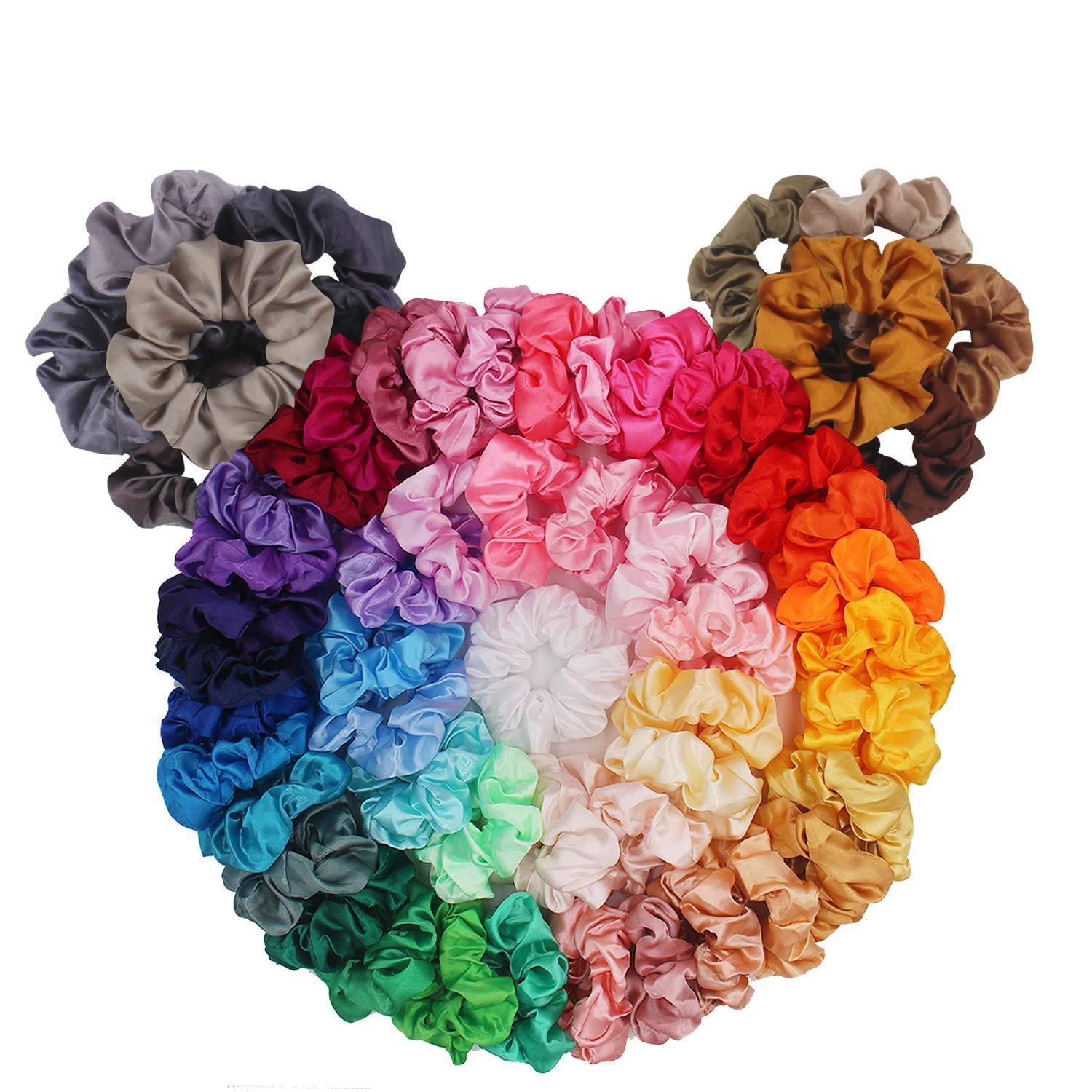
Hair Scrunchies: Best Scrunchies For All Hair Types

Table Of Content Bling Hair: How to wear this red carpet trend IRL GOLD XIONG PADISHAH Satin Oversized Scrunchies Slip Classic Minnie Scrunc...